Banda, Banda
-
parul biotique
Lehnga, Blouse, Suit

1 boutique · Blouse · Lehnga
Bundelkhand clothes from a karigar who already knows your family.
Custom stitching in Banda for Bundelkhand weddings, suits, lehengas, sherwanis, and festival wear from a trusted local karigar.
Banda sits on the Ken in Bundelkhand, where clothes still get made the old way: a trusted karigar, fabric you bought in the bazaar or brought from Kanpur, and fittings squeezed between farm work, school, and the next cousin's function. What people actually get stitched here is practical and ceremonial at once. Everyday salwar suits and cotton kurtas for heat. Heavy suits and lehengas for shaadi weeks. Sherwanis, achkans, and plain silk kurtas for grooms, brothers, and the men who walk in the baraat. School-function sets, first-job shirts, and a blouse recut onto a sari that has already seen three family weddings.
Winter is the real wedding season. After Diwali, through Kartik and into January, every home tailor and small studio is booked for sagai, tilak, baraat, and the round of functions that follow. Navratri and Dussehra bring a first rush of new suits and children's clothes. Holi is colour, cotton, and outfits you do not mind throwing in a bucket. Summers are harsh. Lining, blouse drape, and whether a lehenga can sit in a village mandap without collapsing matter more than a catalogue still.
What actually gets stitched
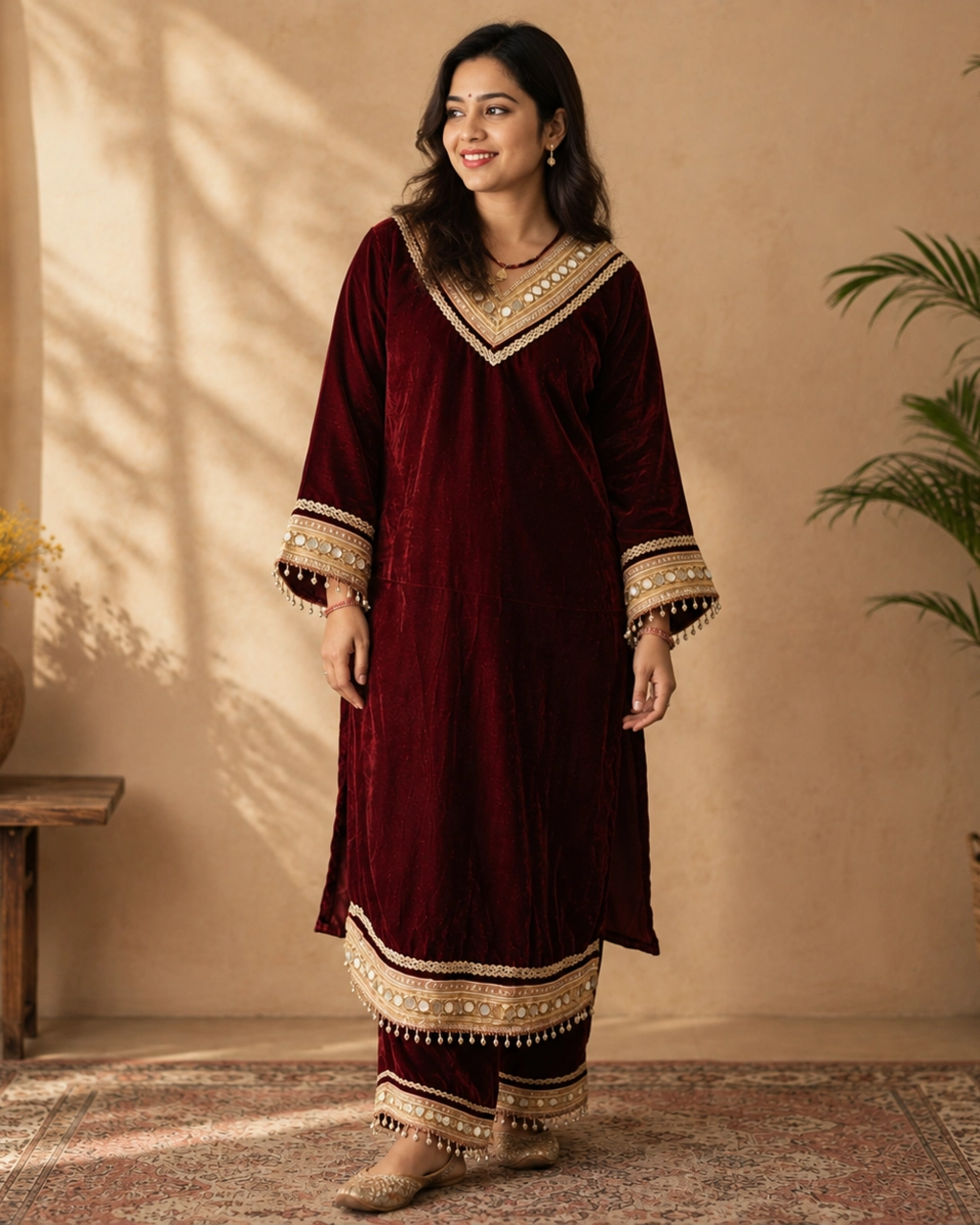
Suits and cotton kurtas for heat, lehengas and heavy suits for shaadi weeks, sherwanis for the baraat, plus school and office sets.
Kartik to January rush
Winter weddings, sagai, and cousin functions fill the calendar after Diwali. Navratri is the first small peak.
The trusted karigar
Most families keep one stitcher for years. Recuts, honest fabric talk, and fittings on a market day beat a brand name.
Village mandap vs town hotel
Say the venue. Dust, heat, and sitting on the ground change lining and hem more than a photo does.
Bring your own cloth
Bazaar suit pieces, Kanpur buys, and old Banarasi blouses are normal. Ask before anyone cuts heirloom silk.
The town itself is the fitting ground. Civil Lines near the courts, the older bazaar where you still buy suit pieces and gota, and the residential lanes where the same family has sent work to one karigar for years. Come on a market day if you live outside town. Keep all try-ons with the same stitcher through winter shaadi weeks.
Curated selection for Banda
1 total
Families still work with one karigar for years. That person knows who in the house needs extra ease at the waist, which sister-in-law wants heavier gota, and which fabric from last season can be recut. You do not need a designer nameplate. You need someone who will recut a blouse after the first try-on and tell you honestly if the mill cloth you bought will hold zari.
Lead time is honest here. A plain suit can come back in a quiet week. A bridal lehenga with hand fill wants a month or more, longer once Kartik dates are on the wall. Bring the person who cannot travel, or bring last year's blouse as a pattern. Ask how many fittings they expect, who does hand work versus machine, and what happens if a cousin's date moves. Ask to see unfinished pieces so you judge the stitch, not the shopfront.
If you live in Atarra, Baberu, or a village along the Ken, plan fittings on a market day you already come into town. Do not start a heavy set two weeks before a Bundela-style baraat in peak winter. Say whether the event is a home mandap, a hotel in town, or a reception elsewhere. Those three briefs need different weight, different footwear, and different lining.
For school annual days, office functions, and a first interview, the same hands will cut a plain cotton or linen mix. Say the event out loud. Bundelkhand dressing is not one silhouette. It is a year of suits, one or two heavy sets, and the karigar who keeps both in the same cupboard.
Bundelkhand clothes from a karigar who already knows your family. 1 listed studios for blouse, lehnga, and suit across 1+ neighbourhoods (including Banda).